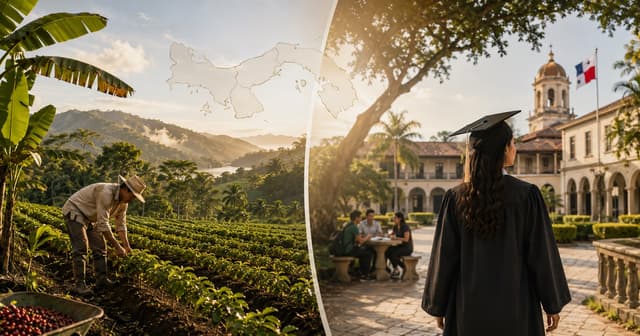
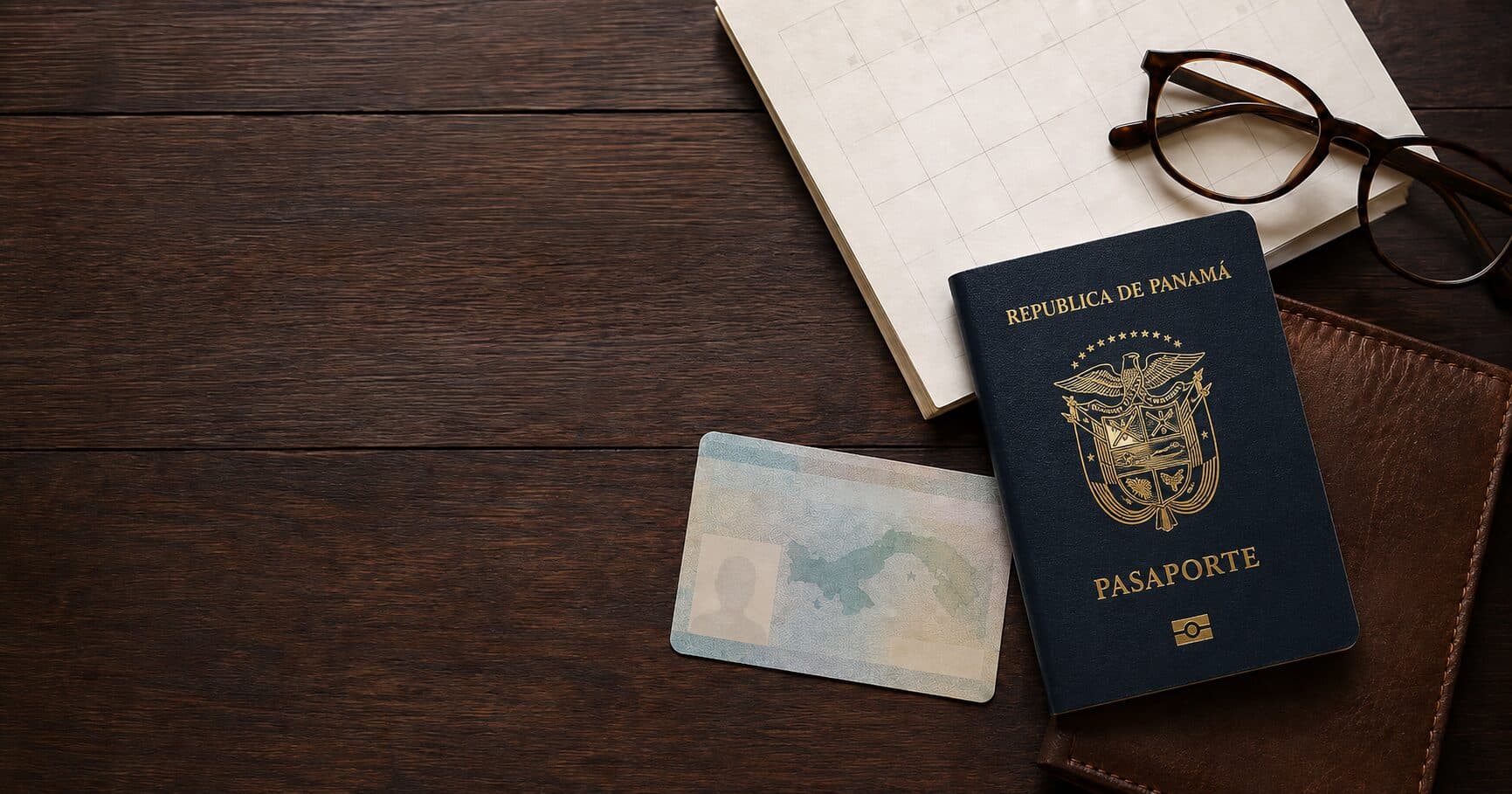
A lot of people looking at Panama are still three, five or ten years away from moving. They ask a fair question: apply for residency now, or wait until the move is closer?
If you think you might want a Panamanian passport one day, the answer comes down to one rule, and most people have the rule wrong.
Panama requires five years of residence before you can apply to become a citizen. The earliest qualifying continuous residence can be counted is the date permanent residence is granted. Not when you file, and not when provisional residence is granted, which on some routes comes two years earlier.
So reaching permanent residence sooner moves the earliest possible starting date forward.
One warning before the rest, because it decides whether any of this helps you. The permanent residence resolution sets when counting can start. It doesn't mean every calendar day afterwards counts. The Constitution asks for five consecutive years of residence in Panama, and the immigration service reviews your entries and exits to check it. Holding a card while you continue living in Canada or the United States doesn't by itself establish those years. Everything below assumes you plan to establish residence in Panama.
The Five-Year Rule
Panama's Constitution lets a foreign national apply to become a citizen after five straight years of residence in the country.
There is more to it than the five years. You have to state that you want to be Panamanian, deal with a requirement to renounce your current nationality, show that you speak Spanish, and answer basic questions about Panama's geography, history and government.
Three years is enough if you have a Panamanian spouse or children born in Panama whose father or mother is Panamanian. Nationals by birth of Spain or a Latin American state may qualify under reciprocity rules. For most Americans and Canadians, it is five.
Where the Count Starts
This is where old information does real damage.
A 1980 law used to count the five years from the day you were granted provisional residence. That law was repealed in 2008. The law that replaced it, Decree Law 3 of 2008, says at Article 126 that the count runs from the resolution granting permanent residence. Plenty of advisors and websites are still working from the 1980 version.
So, plainly: nothing counts until Panama grants you permanent residence. That resolution is the earliest date from which qualifying continuous residence may be counted.
Not when you hire a lawyer, not when your application is filed, not when provisional residence is approved, and not when a provisional card is printed.
One line further down in the same article covers families. A child who entered Panama as a minor, as the dependent of a permanent resident through family reunification, has his own period counted from the date he obtained permanent residence, not from his parent's date. So a teenager who arrives that way is on his own timetable.
Why Starting Early Helps
Several Panama residency routes have two steps. You get provisional residence first and hold it for two years. Then, if you still meet the requirements, you apply for permanent residence.
Those two provisional years never count toward the five. Getting them behind you early means you hold permanent residence before you move, rather than starting the immigration process from zero once you arrive.
Say you plan to move in five years.
If you start now. You apply, hold provisional residence from roughly 2026 to 2028, and are granted permanent residence around 2028. When you move in 2031 you are already a permanent resident, and 2028 is the earliest date from which qualifying continuous residence may be counted.
If you wait. You apply in 2031, hold provisional residence until about 2033, and are granted permanent residence around 2033. Nothing can count before then.
The gap between those two is about five years on the starting date and two years on the immigration process itself. How much of the gap turns into real citizenship time depends on the next part, which is whether you were living in Panama during those years.
Those dates are examples, not promises. Processing times change, and so do the rules.
So be clear about what starting early buys. Two years of provisional status finished before you arrive, which is certain. An earlier permanent-residence resolution, which is the earliest date anything can be counted from, is also certain. Beyond that, the complete record must establish continuous residence in Panama. Someone who begins residing in Panama before the final move may be able to establish an earlier period of continuous residence. Occasional or seasonal visits should not be presented as enough on their own. Someone who remains based abroad has completed the two-year provisional stage but cannot assume the years abroad count toward naturalization.
Routes That Skip the Provisional Step
Not every route has a provisional step. Some grant permanent residence directly.
Pensionado grants it directly, and so does Qualified Investor. Forestry investment of B/.350,000 or more can also qualify for automatic permanent residence under Article 180 of Executive Decree 320 of 2008, as amended by Executive Decree 199 of 2021.
On those routes, the earliest possible count date comes roughly two years sooner than on a two-stage route. That can place a future naturalization application earlier, provided the applicant is also establishing continuous residence in Panama during the relevant period. If citizenship is part of why you are doing this, that difference should help shape which route you consider.
Living in Panama Is Part of the Test
The five years are not just a date on a card.
The Constitution asks for five straight years of residence in the country, and the immigration service checks your entries and exits to see whether you were there.
This catches people who are granted permanent residence and continue living in Canada or the United States. The permanent-residence resolution establishes the earliest possible starting date. The card alone doesn't prove that you lived in Panama.
When you apply for citizenship, the file brings together your entries and exits, address and housing evidence, work or business information, tax compliance, economic solvency, family circumstances, and reasons for seeking naturalization.
The document list makes that concrete in a way the law does not. Migración's current requirements sheet for a carta de naturaleza asks for evidence supporting your Panamanian address, giving an electricity bill, a water bill or a lease as examples.
Economic solvency has to be shown through two options from a short list: Panamanian income tax returns for the two years before you file, a bank letter meeting the immigration service's stated balance requirement, an employer certification of your position and salary together with an updated Social Security record, a pension certification, or an investment. A retiree may use a pension certification as one of the two required forms of proof.
Starting early moves your dates forward. It doesn't replace living there.
The Two-Year Absence Rule
Panama can cancel your permanent residence if you stay out of the country for more than two years, unless the absence was justified and authorized by the Director of the immigration service.
You will see that turned into a simpler promise: visit once every two years and you are fine. Be careful with that, because the law gives immigration the power to cancel after a long absence, and says nothing more. It doesn't say that a short visit every two years protects everything else.
There are two separate questions here, and people run them together.
The first is whether Panama will cancel your permanent residence. The second is whether you can show you lived in Panama for five straight years. They come from different articles of the same law and they are different tests. Flying in for a week every couple of years may avoid an absence longer than two years, but it can still leave you nowhere on the second question, because a week is not living somewhere and a citizenship file turns on whether you can establish continuous residence.
Citizenship Is Not Automatic
Reaching five years from your permanent-residence date doesn't by itself make you Panamanian. You may apply only if the record establishes five years of qualifying continuous residence and you meet the other requirements.
Becoming a citizen is a separate process with its own file: your permanent-resident card, a Panamanian address with supporting evidence, passport records, evidence that you can support yourself, a tax-clearance certificate, a certificate of your immigration status, background checks, Spanish and civics requirements, and an interview. The Executive can approve or deny the application. Under Article 125 of the same law, a denial cannot be appealed.
That is one reason to build the file carefully.
No advisor should promise you a passport on the basis that you will have held permanent residence for five years. Anyone who does is promising something the law doesn't let them promise.
The Decision in Front of You
You don't need to decide today whether you will apply for citizenship in eight or ten years. The decision now is smaller: start the residency process, or wait.
Starting now makes sense if there is a route you qualify for, you are a few years away from moving, you think you might want citizenship later, and you expect to begin establishing residence in Panama before the final move. That last point is the one that decides whether any of the early years can support a naturalization application at all.
It makes less sense if what you want is a card in a drawer and you have no plans to live there. Residency can still be worth having as a backup. Just don't buy it for the citizenship.
Start now and the immigration stages finish earlier, and the earliest date anything can be counted from is earlier too. Or skip the provisional step by choosing a route that grants permanent residence directly. Wait, and both of those move back by however long you waited.
None of that is a shortcut, and none of it turns years principally lived elsewhere into qualifying residence in Panama. It is a head start on something slow.
Plan B Expat helps clients work out which Panama residency routes are open to them, prepare the documents, and get through provisional and permanent residence. Citizenship is a separate legal process, handled separately. When a client gets close to being eligible, the file should be reviewed by a qualified Panamanian lawyer against the law and the client's real residence history at the time.
Last updated: August 2026. Written from the decree texts themselves rather than from secondary summaries, and confirmed with licensed Panamanian counsel before publication.
Plan B Expat provides consulting and coordination, not legal or tax advice. Always take counsel from the licensed attorneys, accountants and tax specialists in our vetted network.
Michael L.
Canadian founder of Plan B Expat. Permanent resident of both Panama and Paraguay. MBA in International Business, trilingual (English, French, Spanish), and two decades of real estate brokerage experience in Quebec and Ontario. Writes from direct experience navigating the immigration, banking, and relocation systems of both countries.