
Most connected
Panama City
International flights, specialist healthcare, restaurants, business networks, waterfront activity and condo living.
Highest-cost end of the Panama spectrum. You are paying for convenience and depth.
Panama living guide · updated September 2026
Panama is not one lifestyle. The capital, the Pacific corridor, the Chiriquí highlands and smaller regional bases can feel like different countries. Start with how you want to live, then choose the address.

The decision beneath the residency decision
Residency gives you a legal option. The harder question is whether the place works on an ordinary Tuesday: rent, heat, traffic, groceries, doctors, banking, language and how easily you can build a routine.
Start with the life, not the neighborhood
Panama City is only one version of the country. Cost, climate, car dependence and service depth can change quickly once you leave the capital.
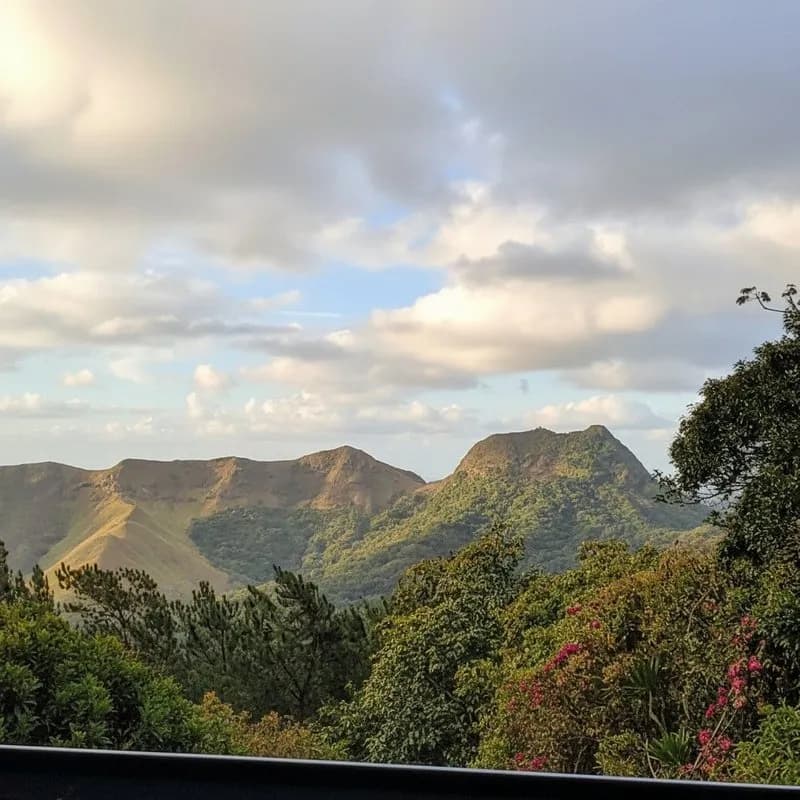
Interior Panama
Tap any image to expand.
Panama at a glance
Most connected
International flights, specialist healthcare, restaurants, business networks, waterfront activity and condo living.
Highest-cost end of the Panama spectrum. You are paying for convenience and depth.
Practical regional cities
Supermarkets, hospitals, schools, roads and normal city services without Panama City’s intensity.
Housing can be markedly lower. Current listings include multi-bedroom examples around US$400 to US$600.
Cooler highlands
Mountains, greenery, a smaller community and, in Boquete, an established foreign-resident ecosystem.
Often below prime Panama City, although Boquete can carry an expat premium.
Coastal access
Beach access, gated communities, golf and practical reach of Panama City.
Wide range. Popular beach communities can command a premium.
Lifestyle-specific
Mountain-town, smaller Pacific or Caribbean island living for people choosing a very particular pace and setting.
Highly location-specific. These are lifestyle choices, not automatic budget options.
Highland example
A landscaped residential and resort setting that shows the greener side of highland living.
On the course
At the golf course, spectacled caimans, locally called babillos, are a fairly common sight near the ponds and water hazards. Occasionally, one seems to wander close enough to inspect your ball, which can come as quite a surprise to us mammals. The reptile, of course, appears completely unimpressed.
They often sit with their mouths open, not because they are waiting for a bird to land, and certainly not to floss their teeth, but because they are regulating body temperature. Best policy: admire the prehistoric gallery from a respectful distance, keep playing, and let the babillo judge your handicap in peace.
Oh, and please do not do what I did in the video. This golfer has had years of experience navigating the domesticated wilds of the golf course. Not.
Panama City
There is no single best expat neighborhood. The meaningful differences are walkability, building age, car dependence, airport access, noise and how much you want to pay for newer towers or waterfront.
Central and comparatively walkable, with cafés, restaurants, metro access and a mix of older larger apartments and newer buildings.
Car reality
One of the easier city bases for living with less driving.
What to check
Building age, street noise, the exact walk to the metro, air-conditioning setup and what is included in rent.
Central residential living around Parque Omar, with restaurants, shops and a wide mix of building ages and styles.
Car reality
Useful, but not always essential if your routine stays local.
What to check
Peak-hour routes, exact walkability, building backup systems and how far you are from the places you use weekly.
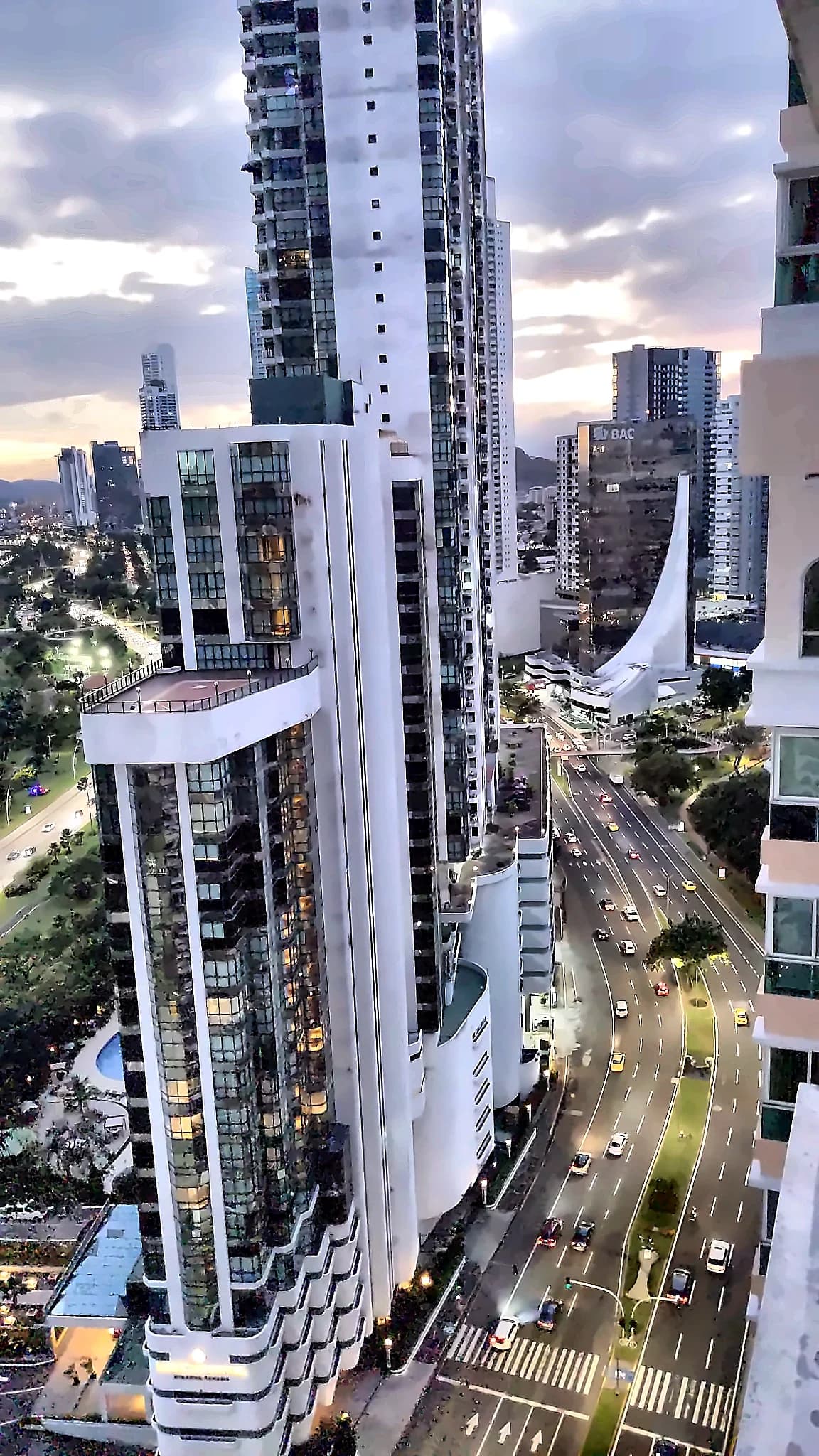
Premium high-rise living with waterfront views, malls and strong access to private medical services.
Car reality
Convenient with a car, although some daily errands can be done on foot.
What to check
Rent premium, condo rules, wind and noise exposure, parking and the actual size of the unit rather than the tower name.
Newer, planned and more corporate or family-oriented, with broad avenues, modern towers and easier access to the airport corridor.
Car reality
More car-oriented than the central neighborhoods.
What to check
Peak traffic, school or office commute, walkability around the exact tower and whether your routine crosses the city.
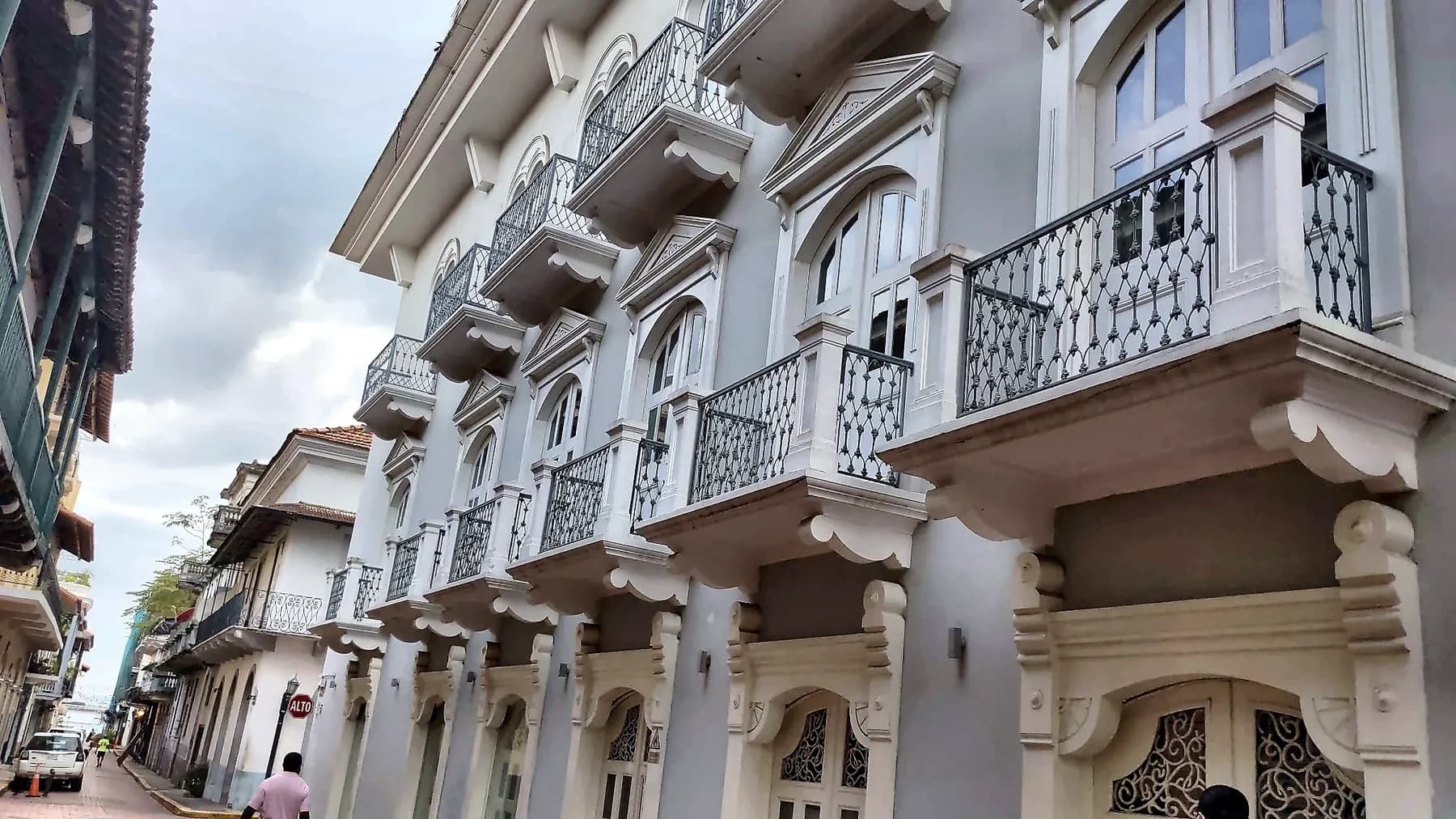
Historic, restaurant-dense and highly walkable in its core, with a completely different texture from the modern city.
Car reality
A car can be more nuisance than advantage inside the historic area.
What to check
Nightlife and noise by street, parking, renovation quality and the quirks that come with older buildings.
Greener, lower-density and shaped by the former Canal Zone, with more space and less tower living.
Car reality
More useful for most routines.
What to check
Commute time, house maintenance, distance from nightlife and how often you need to cross into the central city.
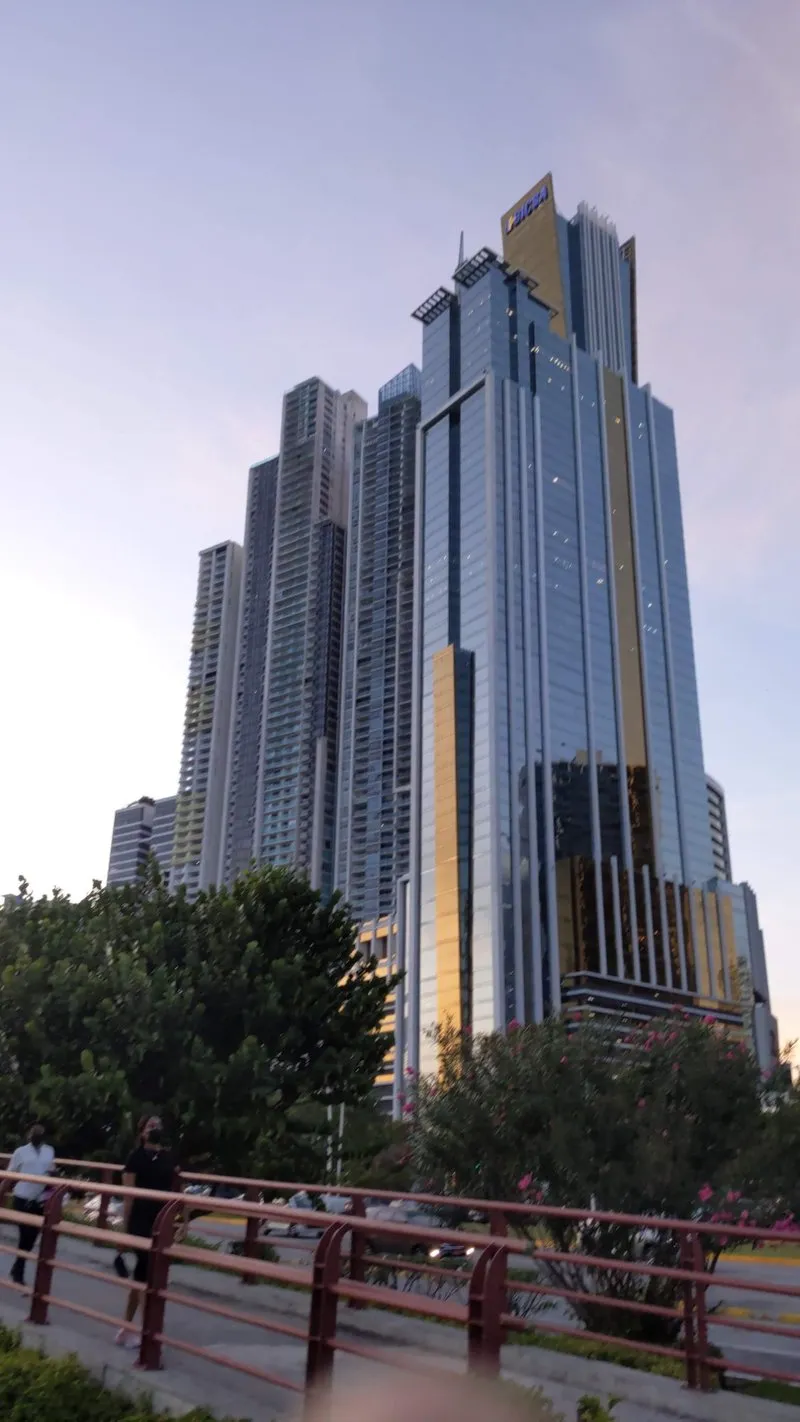
Housing
Current listings show how wide the spread is even inside the same market. Treat these as September 2026 asking-price examples, not a promise of what you will pay.
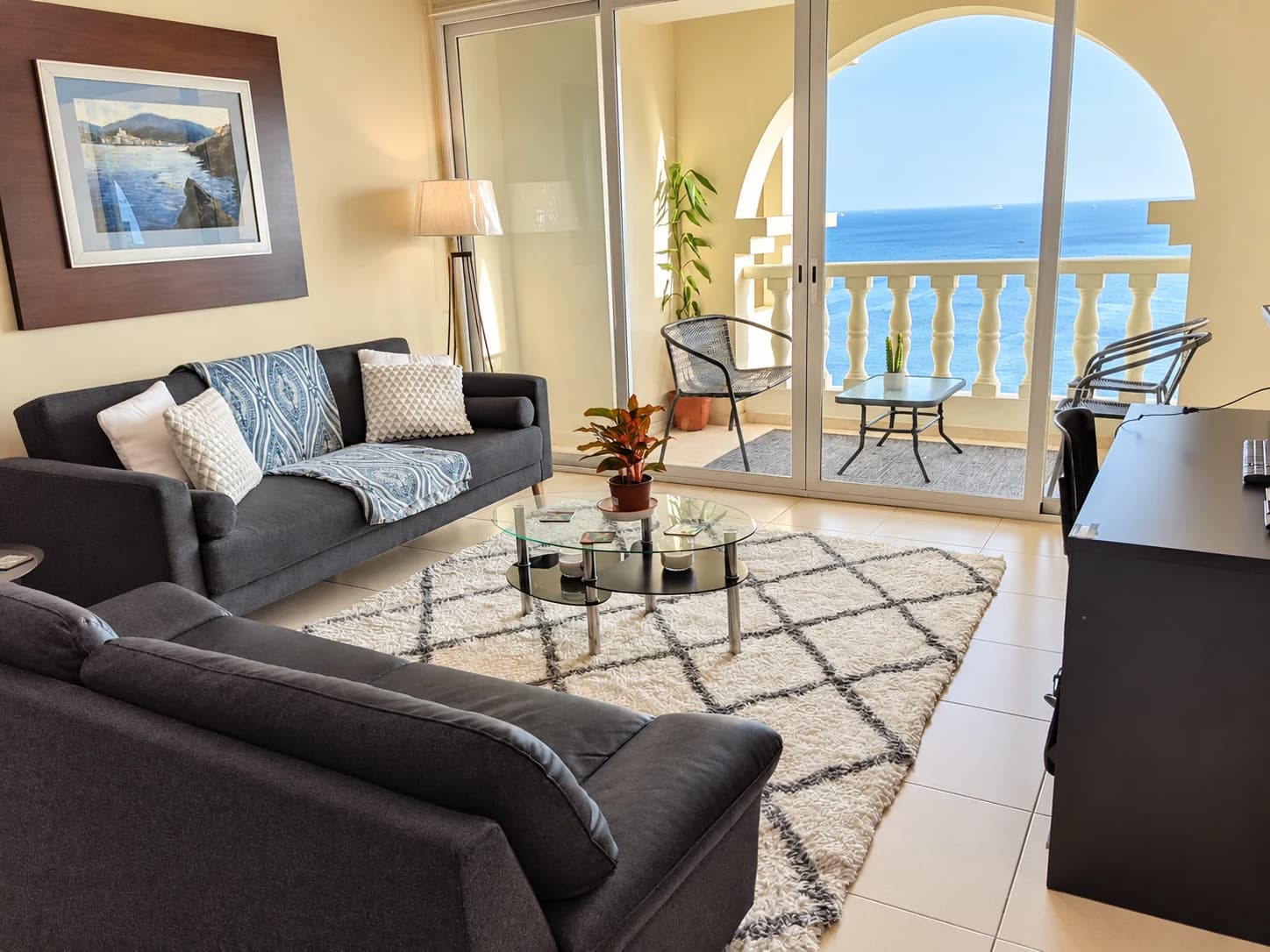
Current examples roughly US$550 to US$1,600/month
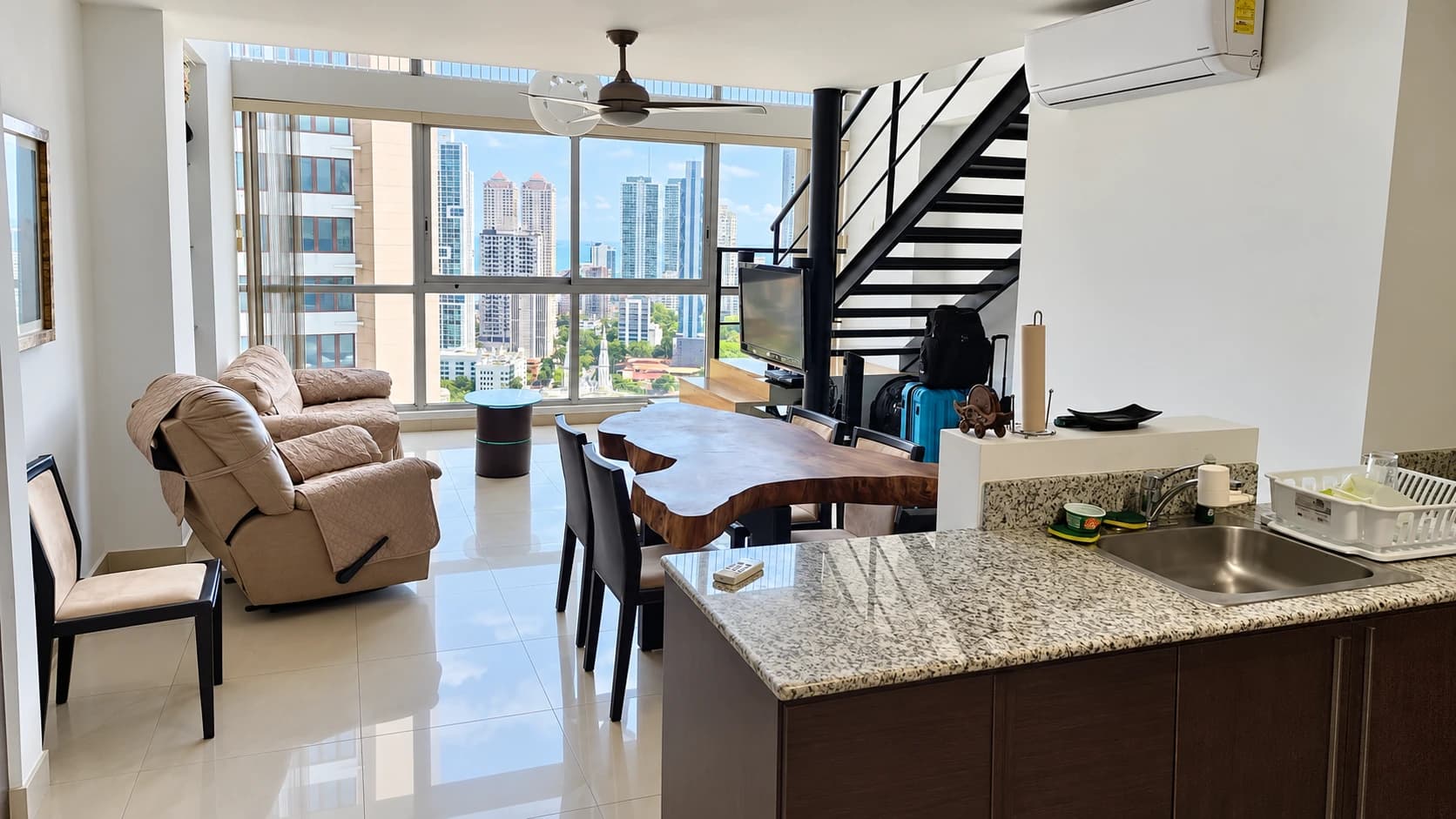
Older, simpler or no-parking units can sit far below newer furnished lofts and all-inclusive buildings.
Current examples roughly US$1,400 to US$2,400+/month
Waterfront position, unit size, furnishing and building amenities move the number quickly.
Current examples roughly US$600 to US$2,500+/month
A simple unit outside the center is a different market from a premium furnished home in a sought-after highland setting.
The practical rule
Compare the exact building and the exact route you will use. Two homes with similar rent can produce very different total living costs once air conditioning, transport, parking, building services and location are included.
Market snapshot based on public rental listings reviewed in September 2026. Asking prices change constantly and do not represent completed lease prices.
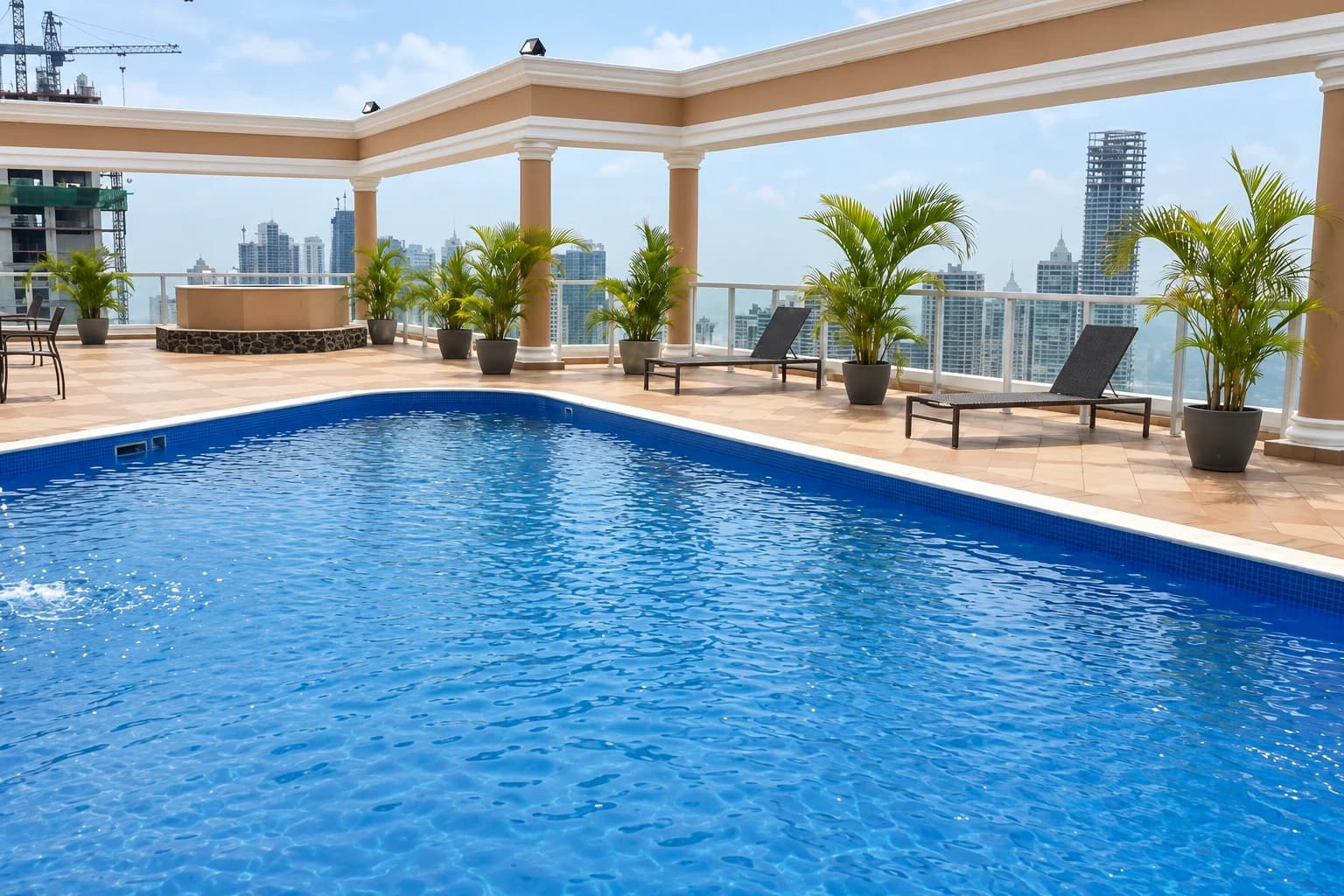
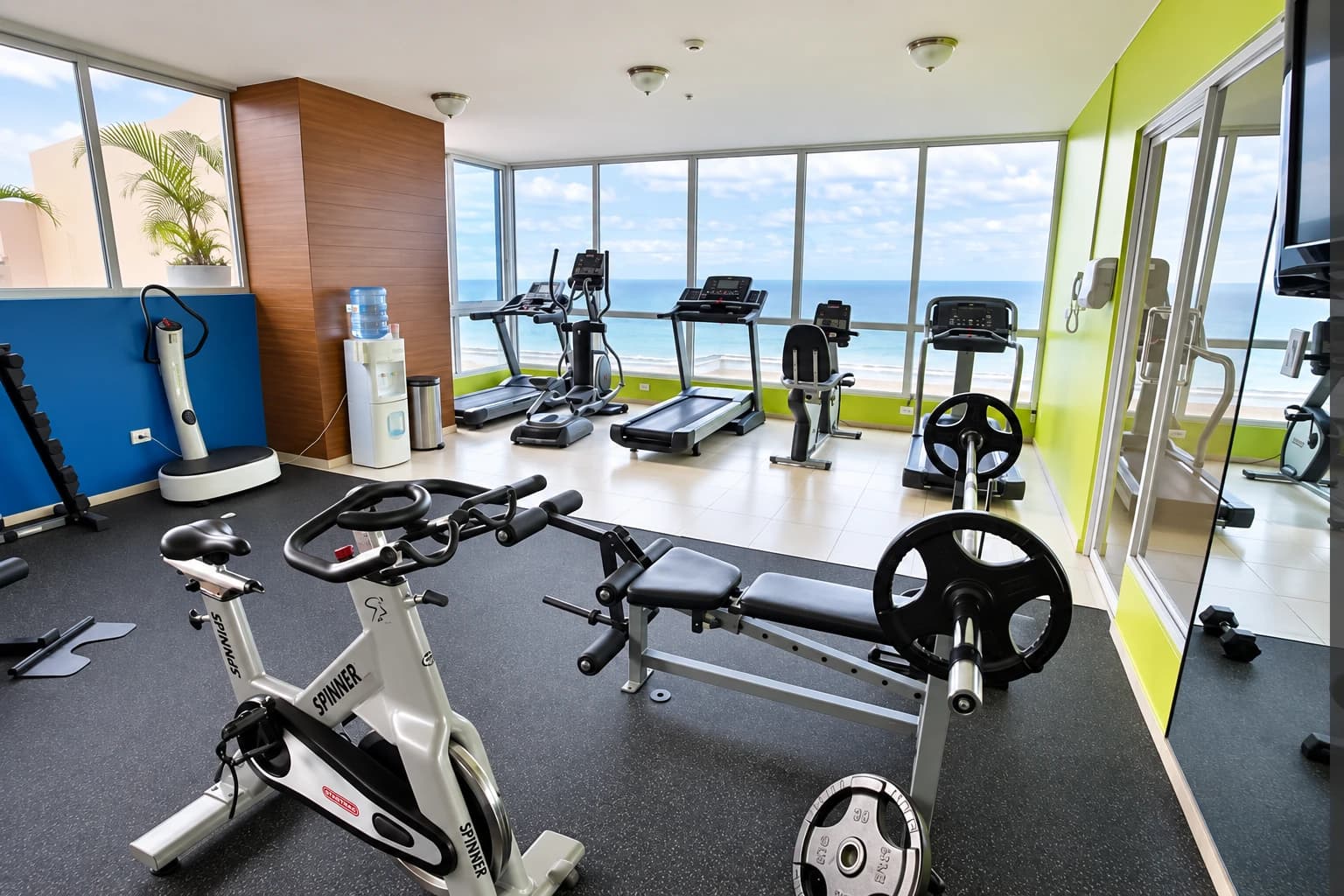
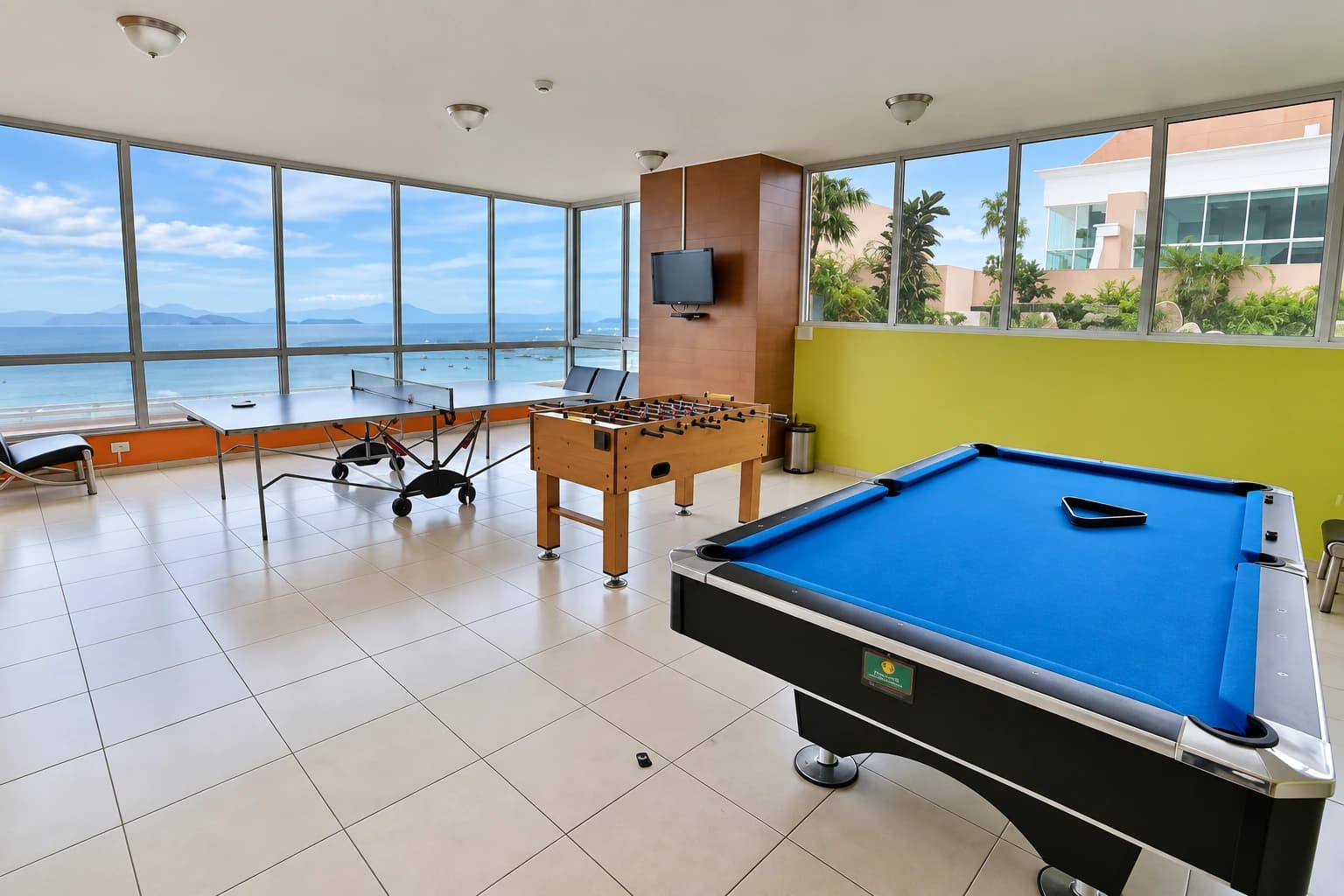
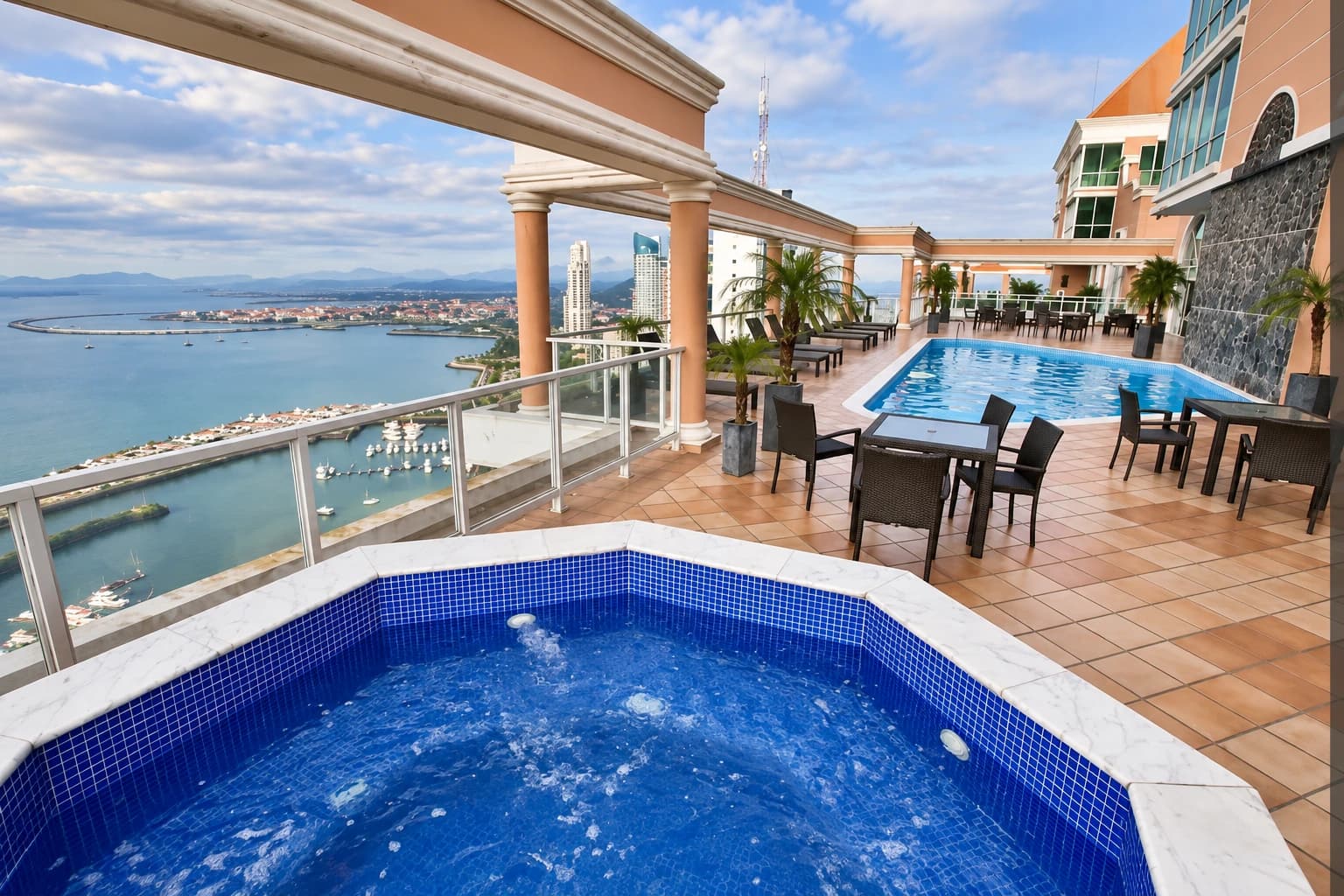
These are examples of the kinds of shared amenities that can be included in high-rise living. Not every building offers the same package, but pools, gyms and social areas are common enough to belong in the housing comparison rather than being treated automatically as luxury extras.
Daily practicalities
Daily life comes down to the places you actually use: where you buy food, how you get around, where you bank, and how easily you can reach healthcare and everyday services.
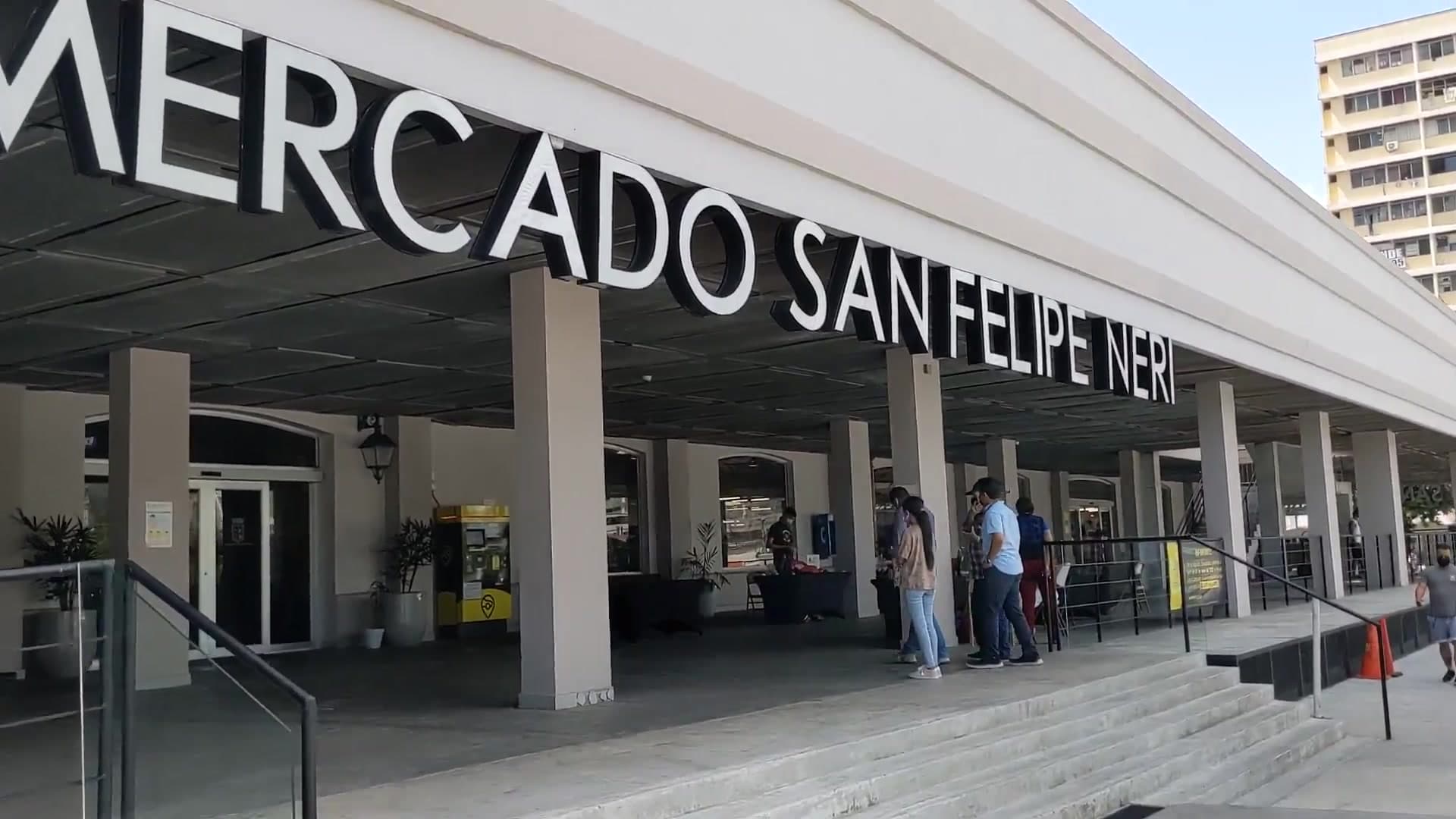
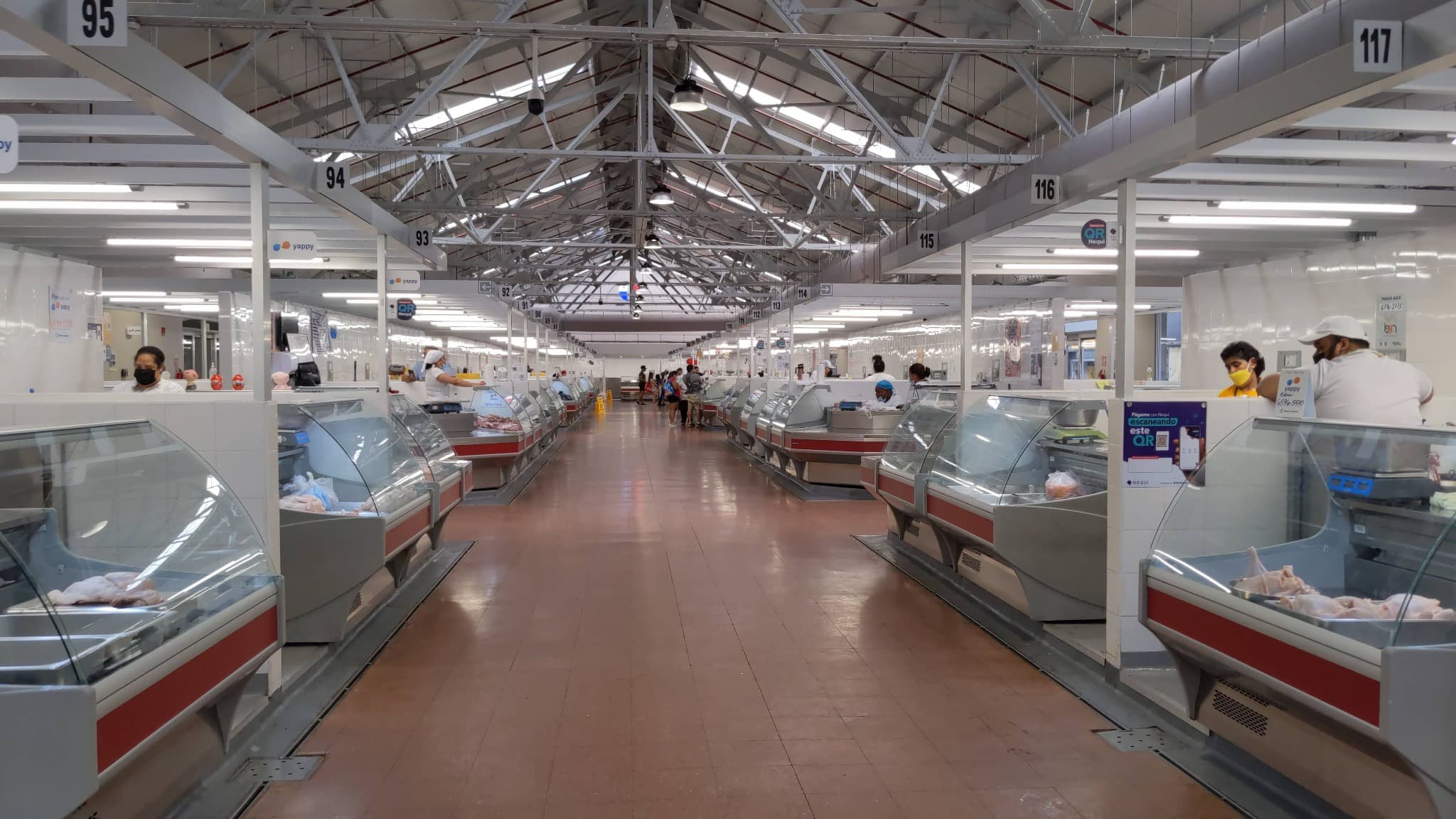
Near the historic district
A municipal market near the historic district and the fish market, with produce, meat, seafood and local food stalls.
Another side of the food market
The metropolitan area's main agricultural market and distribution center handles fruit, vegetables, grains, roots and other produce arriving from farming regions around the country for wholesale and retail sale. Producers, merchants, retailers, restaurants and everyday buyers all intersect there, and some growers also sell directly from dedicated producer modules.
Farms
Produce arrives from growing regions
Wholesale, retail and price formation
City
Shops, restaurants and households
It is less a neighborhood market than a working piece of the city's food supply chain.
Getting around
Air-conditioned urban transport with the airport branch reaching Airport Station.
Useful in practice
Airport connection
The airport line reaches Airport Station, with a shuttle connection to the terminals.
Low-cost city travel
Current regular fares are US$0.50 on the second line, or US$0.85 when a trip uses both main lines.
Less dependence on a car
If home and routine line up with the Metro, some central-city trips become far easier without driving through peak-hour traffic.
The balboa is fixed at one-to-one with the U.S. dollar, and U.S. dollars circulate as legal tender. For people holding USD assets or income, that removes a separate local-currency conversion layer.
Panama issues balboa coins, while U.S. dollar notes are used in everyday circulation.
Treat account opening as a due-diligence process, not a residency perk. Banks may verify identity, source of funds, expected activity and supporting documents, and the exact requirements remain institution-specific.
Residency can be useful documentation, but it does not guarantee approval. Plan B Expat can assist with commercial banking applications involving USD and crypto where relevant to the client structure.
Panama City has the country's deepest concentration of private specialist care. Pacífica Salud operates in Punta Pacífica and Costa del Este and states that it is affiliated with Johns Hopkins Medicine International.
Outside the capital, verify the specific specialists, emergency care and insurance network you would actually use rather than assuming city-level depth follows you everywhere.
Panama City's Metro covers major corridors and has a Line 2 branch toward Tocumen Airport. In the right central neighborhood, a car can be optional; outside those corridors and outside the capital, a car becomes much more useful.
Traffic is highly route-dependent, so test your real commute during the hours you would normally travel.
Tocumen reported 91 international destinations in 2026. For clients who travel often, that level of direct regional and long-haul connectivity is one of Panama's clearest practical advantages.
The airport network changes over time, so treat the destination count as a 2026 snapshot rather than a permanent number.
What you notice after arrival
The useful details are rarely the ones that sell the country. They are the ones that determine whether ordinary life feels easy after the first month.
Panama's tourism authority describes a rainy season broadly from May to December and a dry season from January to April, with cooler conditions at higher elevations. That is why Panama City, Boquete and Volcán can feel very different on the same trip.
English can carry you farther in some Panama City settings, but leases, tradespeople, local healthcare, government processes and community life become easier with functional Spanish.
Panama City offers business groups, restaurants, cafés and international social circles. Smaller communities can be tighter and more locally rooted. Neither is automatically better, but they produce very different weeks.
A beautiful apartment can become frustrating if every doctor, supermarket, school or social activity sits across your worst traffic route. In Panama City especially, convenience is measured in routes, not only kilometres.
Before you sign a lease
A week of practical testing can tell you more than an hour-long viewing. These are the questions I would answer before committing to a long lease.
Before signing, test the building and the routine around it, not only the apartment itself.
Drive, rideshare or take transit from the property to the places you will use most. Test the route when traffic is actually heavy.
Confirm water reserve, generator coverage, elevator reliability, air-conditioning system, internet providers and what happens during an outage.
Air conditioning can materially change electricity costs. A recent bill from the same unit or a similar unit is more useful than a generic monthly estimate.
See the street during the day and again in the evening. Traffic, restaurants, construction and nightlife can completely change the feel of a block.
Confirm deposit, term, notice, renewal, included services, pets, furniture inventory, repair responsibilities and any building rules before money changes hands.
Locate the supermarket, pharmacy, clinic or hospital, bank or ATM, transport and the places you will actually socialize. Convenience is personal.
A short landing stay can be cheaper than spending a year in the wrong building, neighborhood or town.
Residency is the legal layer
Answer a few questions about your nationality, finances, family and plans. You will get the Panama pathways that fit your situation, current rates and the reasons each one matched.