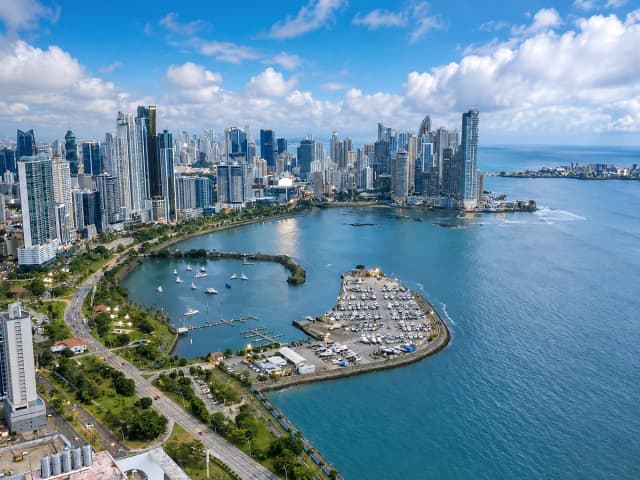
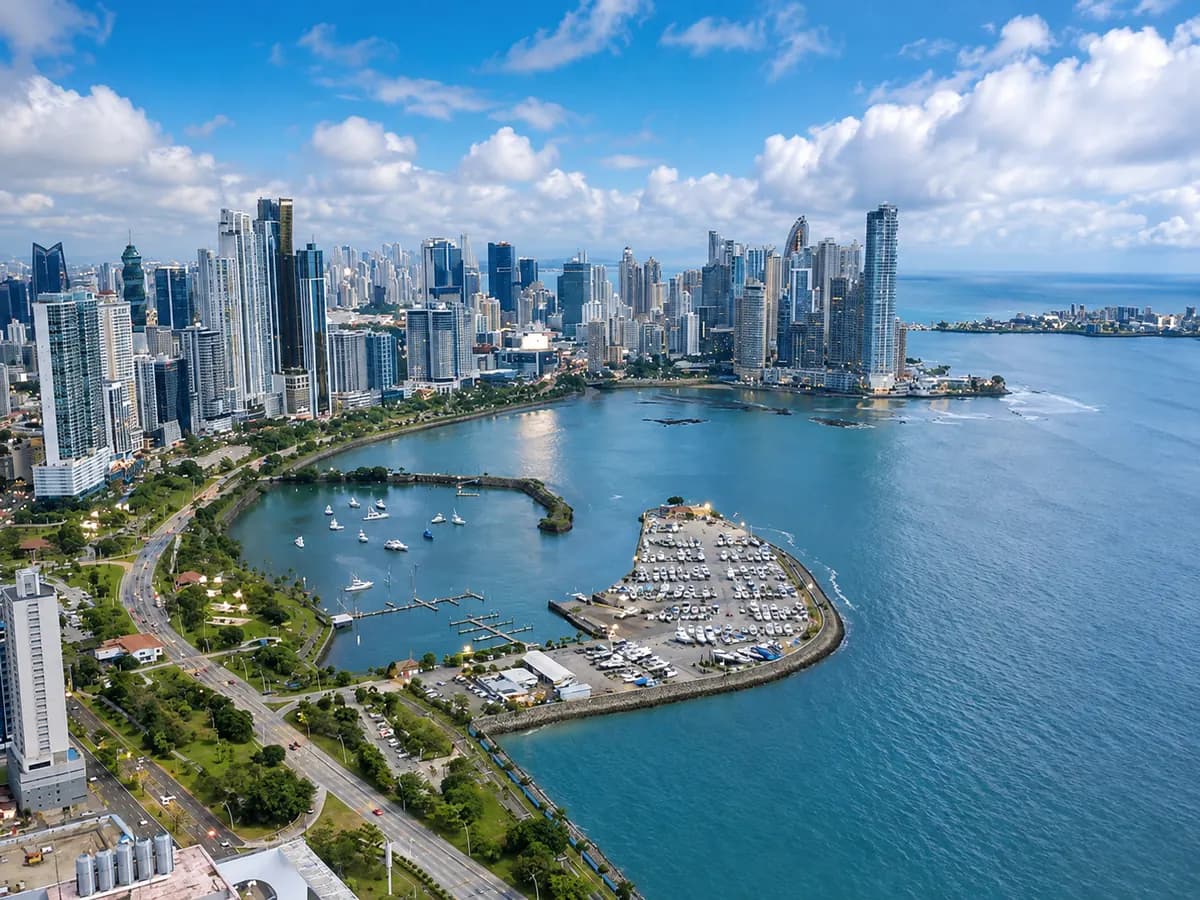
On 9 October 2026, European Union finance ministers removed Panama from the EU list of non-cooperative jurisdictions for tax purposes, often called the EU tax blacklist. Panama was added to the list in February 2020.
Why the EU Removed Panama
According to the Council of the EU, Panama reformed its rules on exempting foreign-source income, a regime the EU had flagged as harmful. The OECD's Global Forum has also granted Panama a new review of how it exchanges tax information with other countries. Viet Nam was removed at the same meeting, leaving eight jurisdictions on the list.
Panama now sits in Annex II of the EU process, the monitoring list for jurisdictions that have made commitments but have not yet fully met international tax standards, while that review takes place. So the accurate statement is that Panama is no longer on the EU's blacklist, not that it has left every EU list.
What It Changes
The list affects how EU countries treat Panama in tax and financial matters. EU countries can apply defensive tax measures to jurisdictions on the list, so removal takes away the basis for them. EU countries update their own national rules on their own timetables, so the practical effect may take time.
For many people, the most visible change will be perception. Being on the list carried a label that may have weighed on how some investors, banks and businesses viewed Panama. That label is gone.
Removal does not oblige any bank to accept a customer or a transfer. Banks still apply their own source-of-funds and compliance checks, and can still ask for proof of income, contracts or tax records. The United Kingdom, outside the EU, applies its own rules. Read it as a positive sign, not a promise of easier banking.
What It Does Not Change
The EU list is about tax cooperation, not immigration. The decision does not change Panama's residency routes or their requirements.
How Panama's tax rules apply to you, as an individual or through a company, still depends on your situation. If you hold a company or earn income connected to Panama, check how the reformed rules apply to you with a tax professional.
The Bigger Picture
Panama left the FATF grey list in October 2023 and the EU's anti-money-laundering high-risk list in 2025, and has now left the EU's tax blacklist. These are three separate lists that measure different things. Together they point in one direction. For anyone considering Panama for residency, they remove a long-standing question mark, although the Global Forum review is still to come.
Residency is only part of a good Plan B. Being able to use the country, to bank, invest and move legitimate money, matters too. The 9 October decision may help with that second part.
Sources
Michael L.
Canadian founder of Plan B Expat and a permanent resident of both Panama and Paraguay. Holds an MBA from SKEMA Business School, France, is trilingual (English, French, Spanish), and spent 21 years as a licensed real estate broker in Quebec and Ontario. Writes from direct experience with the immigration, banking, and relocation systems of both countries.