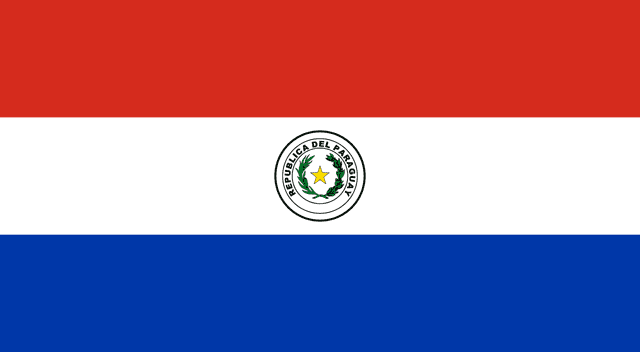
Paraguay isn't paradise. It isn't a beach. It isn't even particularly well known. And for a specific kind of person, those are all features, not bugs.
I hold permanent residency in both Paraguay and Panama. I have spent years working directly with the lawyers, banks, and immigration offices in both countries. I have watched clients succeed and I have watched clients wash out. The honest case for Paraguay is different from the marketing case, and the honest case is the one worth hearing.
The Question Everyone Asks
Paraguay? Who bothers going there?
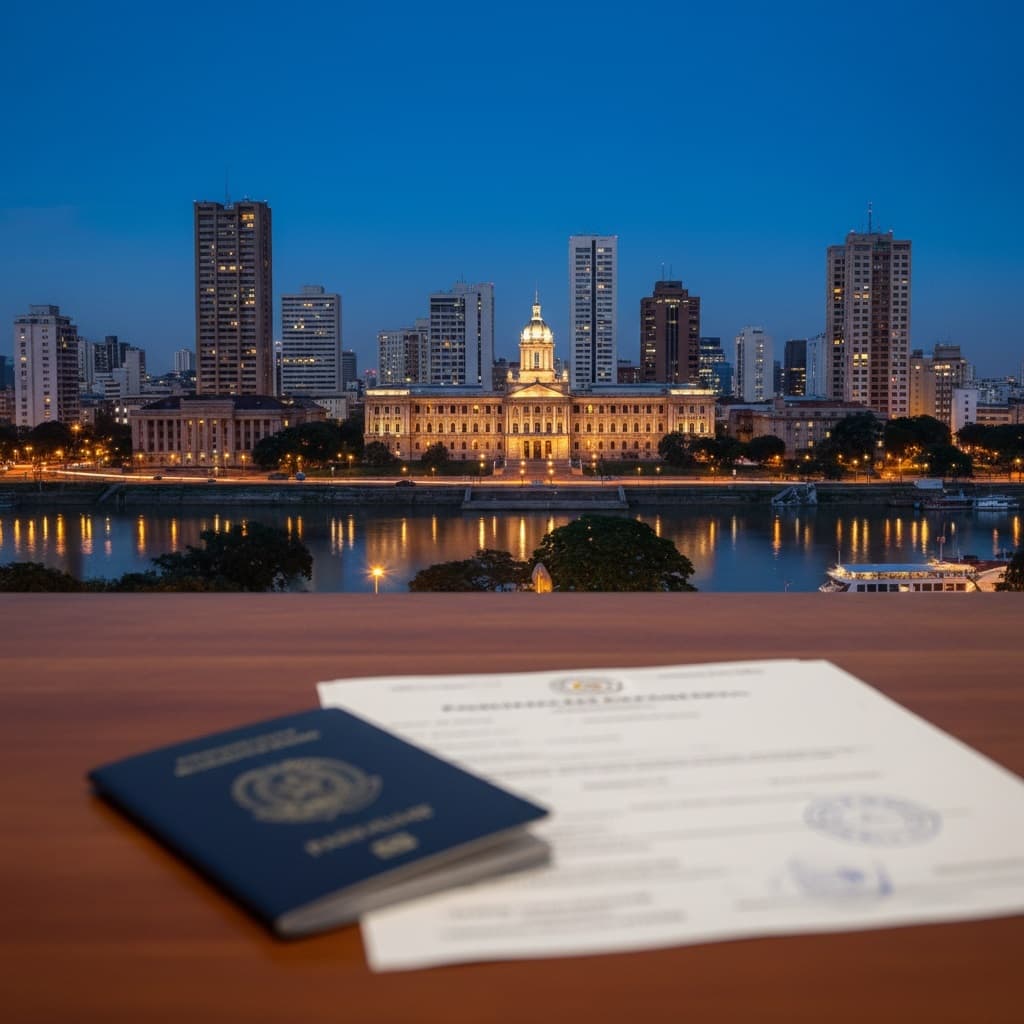
It is a fair question. Paraguay does not show up on the average traveler's radar. It has no famous beach. No iconic city skyline. No Machu Picchu, no Iguazu Falls on its side of the border (the falls are shared with Brazil and Argentina, but the famous views are on the other side). It is landlocked between Argentina, Brazil, and Bolivia. Population around seven million. Capital city most people cannot place on a map.
For a tourist, Paraguay is a shrug. For a residency strategy, it is something else entirely.
What Paraguay Actually Offers
Strip away the marketing language and Paraguay offers four concrete things.
A fast path to permanent residency. Not temporary residency with a three-year waiting period. Permanent residency, filed through the SUACE investor pathway or the standard permanent residency process, processed in months rather than years. You get a Paraguayan cedula (national ID card) that works for banking, driving, and day-to-day life.
A territorial tax system on paper. Paraguay does not tax foreign-source income for non-resident taxpayers, and the territorial principle applies in most situations for residents who structure their affairs properly. Emphasis on properly. Paraguay introduced new crypto reporting rules in 2026 and has tightened enforcement on residency presence requirements. The territorial system is real but not automatic.
A low cost of living. Not the cheapest place in Latin America, but genuinely affordable compared to North America or Europe. A comfortable middle-class lifestyle in Asunción runs a fraction of what the same lifestyle costs in Toronto or Miami. Groceries are cheap, restaurants are cheap, labor is cheap, real estate is cheap by global standards.
Mercosur access. Paraguay is a member of the Mercosur trade bloc, which gives Paraguayan residents certain practical advantages for travel and business within Argentina, Brazil, Uruguay, and Bolivia. It is not a Schengen-style free movement zone, but it matters for certain business structures and certain lifestyles.
The Three Real Reasons People Choose Paraguay
In my experience working with clients, the actual motivations fall into three buckets. Most people have one primary reason and one or two secondary ones.
Reason 1: The Plan B reason
This is the most common. Someone in Canada, the United States, or Europe looks at their home country and sees rising taxes, shifting political winds, banking frustrations, or a general sense that the ground is moving under their feet. They do not necessarily want to leave. They want the option to leave.
Paraguayan permanent residency gives you that option. You can get the cedula, maintain minimal ties, and return to your home country while knowing you have a functioning legal residence in a stable jurisdiction on another continent. If things deteriorate, you have a landing pad. If things do not, you have wasted less money than a single year of Canadian property taxes.
Reason 2: The tax reason
The second bucket is people who want to legally reduce their tax exposure. Paraguay's territorial system, when used correctly, can dramatically simplify and reduce the tax burden for digital nomads, remote workers, online entrepreneurs, and investors whose income sources are outside Paraguay.
The word correctly is doing heavy lifting in that sentence. Tax residency is not the same as immigration residency. You can hold Paraguayan permanent residency without being a Paraguayan tax resident, and you can be a Paraguayan tax resident while still owing taxes in your home country if you have not properly broken ties. This is the area where people get hurt most often, usually because a consultant oversimplified the picture to close a sale.
Paraguay works for the tax reason when it is paired with real professional advice from an accountant who understands your home country's rules. It does not work when it is sold as a magic escape from tax obligations you still legally owe.
Reason 3: The lifestyle reason
The smallest bucket, but real. Some people actually want to live in Paraguay. Lower cost of living, good beef, a slower pace, decent healthcare in Asunción, and a quiet life away from the noise of North American cities. I have clients who came for the Plan B reason and stayed for the lifestyle reason. It happens.
Who Paraguay Is Wrong For
You want a beach. Paraguay is landlocked. If beach access matters to you, Paraguay is wrong. Look at Panama, the Dominican Republic, or Uruguay.
You do not speak Spanish and refuse to learn. Asunción has a small English-speaking expat community, but daily life, government offices, banking, and most professional services happen in Spanish. Guarani is also widely spoken. If you are not willing to learn at least functional Spanish, Paraguay will frustrate you constantly.
You need world-class healthcare for a serious condition. Paraguay's private healthcare in Asunción is adequate to good for routine care. It is not Mayo Clinic. For complex conditions, people travel to Argentina, Brazil, or back to their home country. If you have ongoing health issues that require specialists, factor in medical travel or look at a country with better infrastructure.
You want a famous, instantly recognizable residency. Paraguay is not prestigious in the way Portugal or Malta is prestigious. If your goal is a residency that impresses people at dinner parties, pick somewhere else. Paraguay is for people who want function, not image.
You cannot or will not visit. Paraguay has started enforcing presence requirements more strictly in 2026. The era of getting Paraguayan residency and never showing up is ending. You need to be willing to spend time in the country. Not permanently, but meaningfully.
You are running from a legal problem. Paraguay will run a background check. It will verify your documents. It will not hide you from Interpol. If you have active legal issues in your home country, residency is not a solution.
Who Paraguay Is Right For
You want a real Plan B at a reasonable cost. Total all-in cost for Paraguay permanent residency through a professional runs a fraction of what comparable residency programs cost in Portugal, Malta, or the Caribbean. You get a functioning second residency in a stable jurisdiction without draining a six-figure budget.
You have location-independent income. Remote workers, freelancers, digital entrepreneurs, online business owners, and investors with international income structures benefit most from what Paraguay offers. Your income source is elsewhere, your legal residence is Paraguay, your tax situation is simpler than it would be at home.
You value privacy and low profile. Paraguay does not attract attention. If you want a quiet life where your neighbors do not know or care what you do for a living, Paraguay delivers. This is a feature for some people and a bug for others.
You are willing to learn Spanish. Not fluency. Functional Spanish. Enough to order food, handle a bank teller, read a lease, explain a medical symptom to a doctor. If you are willing to put in the work, Paraguay opens up quickly.
You want to diversify geographically without committing fully. Many of my clients hold Paraguayan residency as one piece of a broader international strategy. They have a home base somewhere, a second residency in Paraguay, maybe a third option they are researching. Paraguay is an excellent diversification play because it is cheap, functional, and does not demand your full attention.
The Numbers That Matter
Residency cost. Legal fees and government filings for permanent residency through a professional process run roughly $4,000 to $8,000 depending on pathway and complexity. Compare to Portugal's Golden Visa at €280,000+ or Malta's permanent residency at €100,000+.
Processing time. Paraguay permanent residency through the standard process takes approximately 6 to 10 months from filing to cedula in hand. SUACE investor pathway can be faster. These are real timelines based on 2026 conditions, not marketing numbers.
Presence requirement. Historically relaxed. Tightening in 2026. Plan on needing to spend meaningful time in Paraguay during the application process and periodically after, especially if you want your residency to hold up under scrutiny.
Cost of living in Asunción. A comfortable two-bedroom apartment in a good neighborhood runs $600 to $1,200 per month. Groceries for one person run around $300 to $500 per month depending on how much imported stuff you eat. A full meal at a nice restaurant runs $15 to $30 per person. A doctor's visit at a private clinic runs $40 to $80.
Income threshold for tax simplicity. Paraguay's territorial system works best for people whose entire income stream originates outside Paraguay. If you start generating Paraguayan-source income, the situation gets more complex and you need proper local tax advice.
Paraguay vs Panama
The most common question I get: should I do Paraguay or Panama?
The honest answer is that they are different tools for different jobs.
Panama offers more infrastructure, better banking, a stronger business ecosystem, a larger English-speaking community, and beach access. Panama also costs more across the board. Legal fees are higher, real estate is higher, day-to-day costs are higher, and the minimum investment thresholds for most residency programs are higher than Paraguay's.
Paraguay offers lower cost, simpler requirements, a faster path to permanent residency, and a smaller learning curve on the legal side. Paraguay does not offer Panama's banking sophistication or its business ecosystem. If you plan to actually run a business from the country, Panama is probably better. If you want a lightweight Plan B with minimal ongoing complexity, Paraguay is probably better.
Many of my clients end up choosing one and keeping the other on the list for later. Diversification across two Latin American jurisdictions is a legitimate strategy if your budget supports it.
What Nobody Tells You
Five things consultants leave out of the brochure.
One. Paraguayan banking is simpler than Panamanian banking, but it is not sophisticated. If you expect the smoothness of a modern North American online bank, adjust expectations. Local banks work. They are not pretty.
Two. The summer heat is no joke. Asunción in January and February hits 35°C to 40°C with high humidity. If you are doing your residency trip, do not schedule it during the Paraguayan summer unless you tolerate tropical heat well.
Three. Paperwork in Paraguay is a contact sport. Documents get lost. Appointments get rescheduled. Offices close randomly. A process that should take three visits often takes five. This is not unique to Paraguay, but it is more pronounced than in countries with more developed bureaucratic infrastructure. Patience is required.
Four. The expat community in Asunción is small but real. You will not find a huge support network, but you will find enough people to not feel alone. There are regular meetups, a few active online groups, and a recognizable cluster of foreigners in certain neighborhoods.
Five. The Canadian Embassy in Asunción is small and the services are limited. If you are Canadian and you need consular help, expect slower response times than in larger capitals. This is true for most embassies in Paraguay, not just the Canadian one.
The Bottom Line
It is a functional, affordable, reasonably stable country that offers a legitimate path to permanent residency for people who have thought clearly about why they want one. For the right person, which means someone with location-independent income, a realistic view of what a second residency does, a willingness to learn some Spanish, and a genuine reason to diversify their legal footprint, Paraguay is one of the best tools in Latin America.
For the wrong person, it is a frustrating trip to a hot country where nothing works the way they expect and the beach they wanted does not exist.
Which one are you?
That is the only question that matters, and it is the first question we work through with every client.
If you are not sure, book a consultation and we will talk it through. No pressure, no sales pitch, no promise that Paraguay is right for you. If it is not, we will say so. If it is, we will explain exactly what the path looks like from your specific situation.
Michael L.
Canadian founder of Plan B Expat. Permanent resident of both Panama and Paraguay. MBA in International Business, trilingual (English, French, Spanish), and two decades of real estate brokerage experience in Quebec and Ontario. Writes from direct experience navigating the immigration, banking, and relocation systems of both countries.