
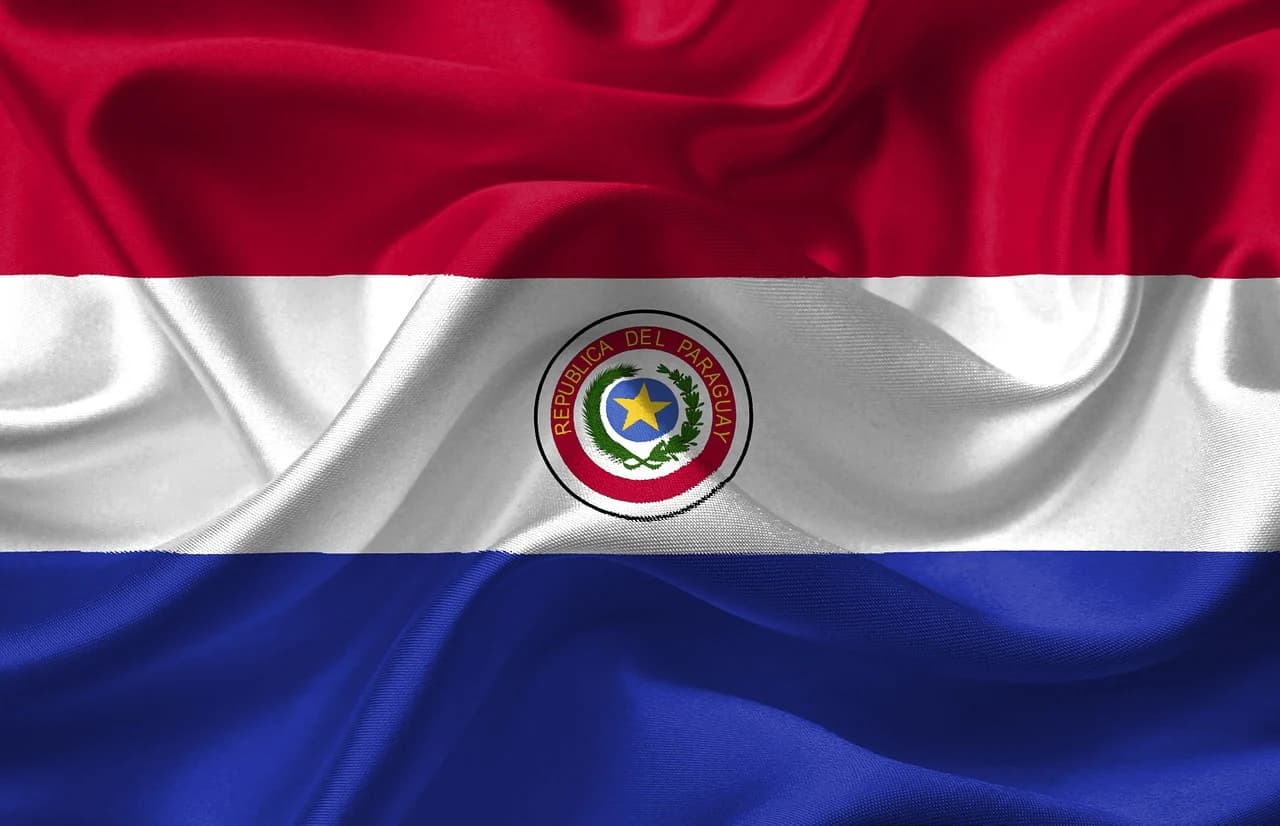
Spanish is the official language, but Paraguay is unique in Latin America - almost everyone also speaks Guarani, an indigenous language that carries deep cultural significance. This isn't a token heritage language preserved in ceremonies. It's a living, daily language that most Paraguayans switch between naturally, sometimes mid-sentence.
In Asuncion and major cities, Spanish dominates business and daily life. In rural areas, Guarani is primary. Understanding this dynamic helps you understand Paraguay itself.
What This Means Practically
You can function in Asuncion with Spanish alone. That's the good news. English is rarely spoken outside of international hotels and some business contexts, so Spanish matters, but Guarani isn't required for daily life in the capital.
That said, basic Guarani phrases earn enormous goodwill and respect. Paraguayans are patient with language learners and genuinely appreciate the effort. Humor, negotiation, and trust-building all happen faster in Spanish - and even faster when you throw in a Guarani word or two.
If you don't speak Spanish yet, you'll need to learn. Not for the residency application - there's no language requirement for permanent residency. But your quality of life correlates directly with your Spanish ability. The difference between speaking Spanish and not speaking it in Paraguay is the difference between being part of the community and being a permanent outsider.
Spanish proficiency IS required for citizenship. After 3 years of permanent residency, you can apply for Paraguayan citizenship, which includes passing a Spanish language exam.
The Pace: Tranquilo
"Tranquilo" is not just a word - it's the operating system. Things move slower in Paraguay than in North America or Europe. This is intentional, not inefficient.
A 10am meeting might start at 10:30. Social events start even later. Bureaucratic processes take longer than you expect. The person helping you at the bank might chat with a colleague before finishing your transaction. None of this is rude - it's normal.
If you're someone who gets frustrated when things don't run on schedule, this will test your patience. If you're someone who's burned out from the always-on urgency of Western work culture, this might be exactly what you need.
The adjustment takes time either way. Don't fight it. The people who enjoy Paraguay the most are the ones who let the pace reset their expectations rather than trying to impose their own.
Physical Warmth and Social Norms
Physical warmth is normal in Paraguay. Cheek kisses for greetings happen in professional settings, not just among friends. Personal space is smaller than in North America. Conversations happen closer. Eye contact is direct and sustained.
Family is central. Business relationships are personal relationships. People will ask about your family, your health, where you're from, why you're here. These aren't interrogations - they're how trust is built. Paraguayans are famously friendly and welcoming to foreigners, but that warmth is genuine and expects genuine warmth in return.
Sharing is important. If someone offers you food, mate, or terere (cold yerba mate), accepting is how you participate. Refusing terere is like refusing a handshake. You don't have to love it, but you should try it.
Cultural Markers Worth Knowing
Understanding small cultural signals helps you connect faster.
The Gallinita Picha'i - a decorated lucky chicken or rooster figure - is a cultural symbol of good fortune in love and money. You'll see them in shops, homes, and markets. Knowing what it is signals that you've taken the time to learn about the culture rather than just passing through.
Paraguayan music, especially polka paraguaya and guarania, is deeply tied to national identity. The harp (arpa paraguaya) is the national instrument. You'll hear it everywhere.
Football (soccer) is a national passion. Knowing the two main Asuncion clubs - Olimpia and Cerro Porteno - and having a casual opinion on them is a surprisingly effective social tool.
What this means for residency
Your quality of life in Paraguay correlates directly with two things: your Spanish ability and your willingness to adapt to the cultural pace. Invest in language learning before or immediately after arriving. And understand that "tranquilo" isn't a bug - it's a feature. The people who thrive in Paraguay are the ones who learn to work within the culture rather than against it.